
11 May 2026
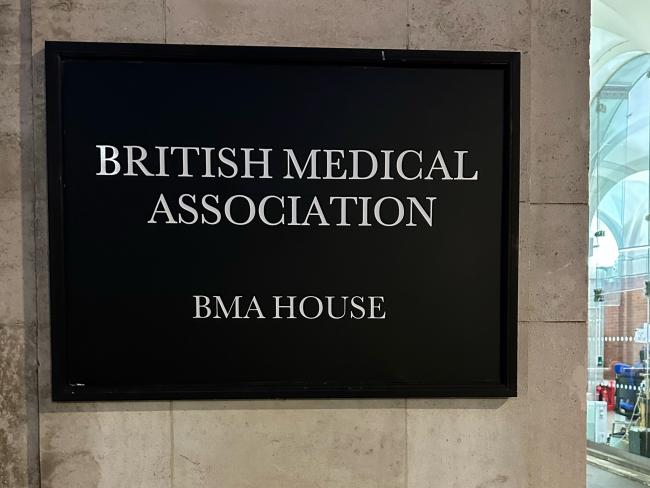
The BMA is the trade union for doctors; an outcry by members forced the Council to step back from a challenge to the Cass review’s findings. Photo Workers.
The treatment of young people who question their gender identity has been highly controversial. A review in NHS provisions published two years ago should have settled the matter. But it has taken until now for the British Medical Association (BMA) to finally accept its findings.
In 2020 Dr Hilary Cass was commissioned to review NHS gender identity services. Her final report, delivered in 2024, was based on an extensive and rigorous review of the evidence (described in detail in an article in Workers March/April 2025).
Evidence-based
Cass made recommendations on how care should be provided in future, in particular an insistence on the principles of evidence-based medicine. These received widespread clinical and academic support. And NHS England announced that puberty blockers would not be prescribed, except in clinical trials.
Yet the initial response from the BMA Council, unduly influenced by trans activists, was to denounce the review, claiming its recommendations were unsubstantiated. In fact more council members voted against or abstained on that view than those who voted in favour.
Outcry
After an outcry by BMA members, the Council retreated from its position and decided to set up a Task and Finish Group to examine the evidence. Two years later, the group has reported; it vindicates Cass’s conclusions.
‘If the BMA Council had its way, implementation would have been delayed by two years.’
In the British Medical Journal Dr Cass points out that, if the BMA Council had had its way in 2024, when they called for implementation of the recommendations of the report to be suspended until their exercise had been concluded, then young people affected would have faced a hiatus of two years.
The Cass review originally came about because of patient, public and professional concerns about the Gender Identity Development Service (GIDS) at the Tavistock and Portman NHS Foundation Trust. It was then the only gender identity clinic for people under 18 in England and Wales.
Concern
The major area of concern was steering children and young people towards treatments, such as puberty blockers, for which there was little or no evidence of being effective and beneficial. GIDS also had huge waiting lists.
In her 2022 interim report, Dr Cass found that GIDS was not safe or viable in the long term. It was closed and replaced by regional centres as a short term measure.