
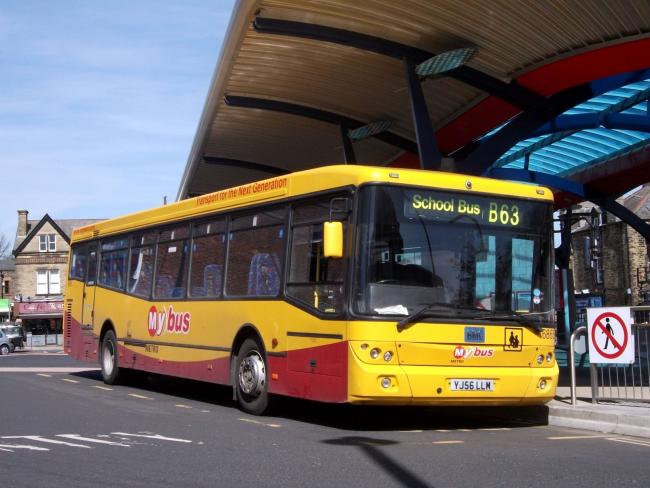
Increased SEND spending also puts pressure on other areas of local government spending. In particular, the cost of funded home to school transport has increased sharply.
According to a National Audit Office report last October, over half a million children and young people in England have funded transport from home to school.
The cost rose by 70 per cent between 2015 and 2024, up to £2.3 billion. This huge burden has led to councils spending £415 million more than they had budgeted for in 2023-24.
Several factors combine to increase these transport costs:
• The increase in Education, Health and Care plans means more children are travelling further to have their needs met.
• This in turn means additional unique journeys, relying on smaller and single occupancy vehicles.
• The average transport cost for a pupil with SEND provision is five times more than for other children.
• Transport operators pass on these costs to the councils who contract them.
Particularly in rural areas, cuts in public transport lead to greater reliance on local authority transport.
In trying to balance the books, many councils are cutting discretionary provision, say for over-16s, and revising the distance from home to school which triggers free transport.
Effectively, the council saves a little money while parents have to pay. Councils fund only what they must provide, not what they know is needed. This leads to apparently nonsensical and sometimes dangerous decisions.
Only an ambitious programme of building extensive SEND provision where it is needed, alongside adequate funding for mainstream SEND provision in local schools, will begin to address this growing problem.
• Related article: Education: funding crisis hits special needs