
26 August 2026
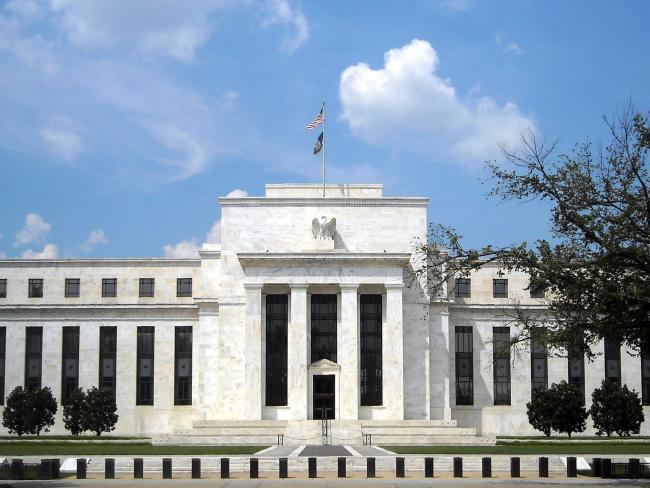
The Eccles Building, Washington DC, headquarters of the Federal Reserve System, which acts as the USA’s central bank. Photo AgnosticPreachersKid via Wikimedia (CC BY-SA 3.0).
Worried about its own currency, the US has been forced to provide an emergency loan to Japan – to stop that country selling dollars to prop up its own currency.
The US government recently provided an emergency loan to Japan to support Japan’s currency which is the Yen. The loan was made to Japan so that Japan didn’t have to sell US Treasury stock and use the sale proceeds to prop up its weakening currency.
Bad news
The US government realised that had Japan sold its US treasury holdings, those holdings would have had to be resold to others at a higher yield than the current rate. That would in turn be bad news for the US economy.
A jump in yield would have led to a higher rate of interest being applied to future US government debt issuance. And it would have to be applied to the existing US debt when it comes up for renewal. Therefore to protect itself against this likelihood, a US government loan was made in lieu of a sale by Japan.
‘This threatens the US government’s ability to service its debt pile.’
The underlying message is that as far as the US government is concerned, the cashing in of US treasury assets is becoming an unwelcome event instead of normal business. In the current conditions it threatens the US government’s ability to service its debt pile.
As of 5 August, US debt stood at almost $40 trillion and growing. Its debt to GDP ratio is around 124 per cent, also growing. (By comparison, the UK’s debt to GDP ratio is around 95 per cent, which is bad enough!) And the US debt is increasingly loaded towards shorter term debt than the normal mix of short and long term borrowings, so it’s more at risk from current interest rates fluctuations.
Unreliable
The flipside is that other countries are coming to see the dollar as an unreliable reserve currency. That’s because once hooked as a US government creditor (in effect lending money to the US), it’s becoming difficult to exit and to sell on those treasury holdings elsewhere.
‘Loans by the US…fail to disguise the problem.’
Loans by the US in lieu of a country selling its US treasury stock looks smart, but this fails to disguise the problem.
Major foreign government holders of US debt include: Japan (the largest); the UK in second place and China in third. China has been able to decrease its holdings over the past year, but UK holdings have risen by 17 per cent.
The outcome is that fewer countries now have the appetite to lend to the US. Those that still do are likely to want a higher interest rate to compensate for the risk in lending. This puts the US government in a debt servicing bind. It also has wider effects on what is now a crumbling dollarised financial system.