
1 December 2025
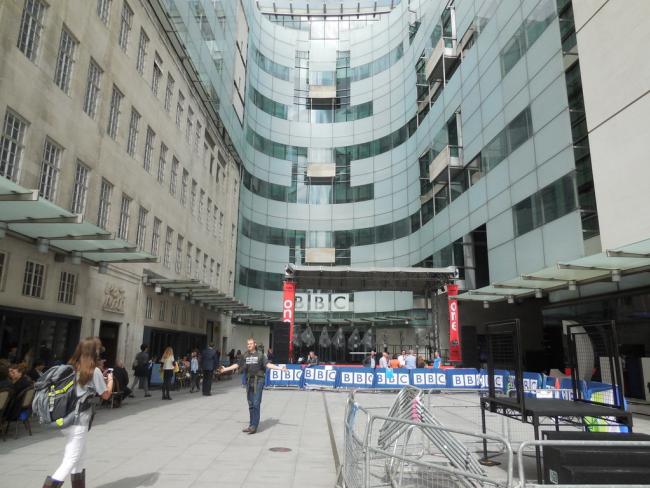
BBC Broadcasting House, central London, home of BBC News. Photo Paul Gillett via Geograph (CC BY-SA 2.0).
The current crisis at the BBC is unlikely to subside soon. Unless those working for the broadcaster are able to exercise more professional control, and to prevent political interference, it will probably worsen.
The trigger for the crisis is well-known. Prompted by revelations of misleading editing of a speech by Donald Trump in 2021 aired in a Panorama programme, the BBC Board and leadership seem hell-bent on bringing the organisation down.
“We reiterate our calls for a properly funded BBC…free from political interference.”
Laura Davison, general secretary of the National Union of Journalists laid this out clearly. In response to the resignations of the director general and the head of BBC News, she said, “The BBC board has a duty to resist political interference…It is vital that the BBC board ensures that journalists are provided with the resources to do their job. We reiterate our longstanding calls for a properly funded BBC that is free from political interference.”
The crisis is not wholly about the Panorama programme, nor other coverage of Trump (a convenient bogeyman to distract attention), nor the make-up of the BBC Board. It is about the future of a valuable part of British culture.
Dangerous
However, BECTU, the trade union representing many BBC workers, far from calling for politicians to stay out, seems to want to take political sides. That’s a dangerous course to follow.
The BBC plays a vital role in our national culture: as a (relatively) impartial source of news; as a producer of quality drama and documentaries; and as a major sponsor of cultural activities. And during the anti-separatist campaign of 2013-14, the BBC was a significant factor in promoting the cohesiveness of the British nation as a whole.
Failures
Set against that positive role, there have been failures over a long period. For example, the repercussions of the 1995 Princess Diana Panorama interview still continue – and there are many others.
As well as highlighting the 2021 Trump documentary, Michael Prescott, former independent advisor to the BBC revealed serious failures to act on his well-evidenced concerns about BBC Arabic’s reporting on Gaza. As well as broadcasting far more stories from a Palestinian perspective than from an Israeli perspective, it consistently selected stories that promoted the viewpoint of Hamas.
Dereliction
The current BBC Board’s dereliction of duty has put public service journalism in danger again. This only encourages destructive calls for the BBC to be defunded.
From the 1990s onwards the BBC was increasingly forced by government to outsource programme making. That may not have led directly to subsequent scandals and failures, but it’s part of the pattern of political interference.
Cuts
And the present BBC leadership continues to see outsourcing as a way of cutting costs and appeasing government. Unions criticised cutbacks to BBC Local last year and are opposing recent proposals which are likely to see jobs leave Britain.
It can’t be ignored that the BBC shows systemic bias on matters that concern British workers: notably its coverage of the EU referendum and subsequent debates about Brexit; on net zero and climate change; about immigration. And it appears to have created a specialist unit within News that censored coverage of all issues around the trans debate.
Fight
In these matters, the BBC management reflects a ruling class, establishment view embedded in those leading government, the civil service, universities and many businesses. The fight of journalists and other BBC workers is against such anti-working class policies and for the future of the organisation.
And everyone in Britain should support that aim. Despite the evident problems, it’s an illusion that the BBC has nothing to offer the nation.