
7 May 2026
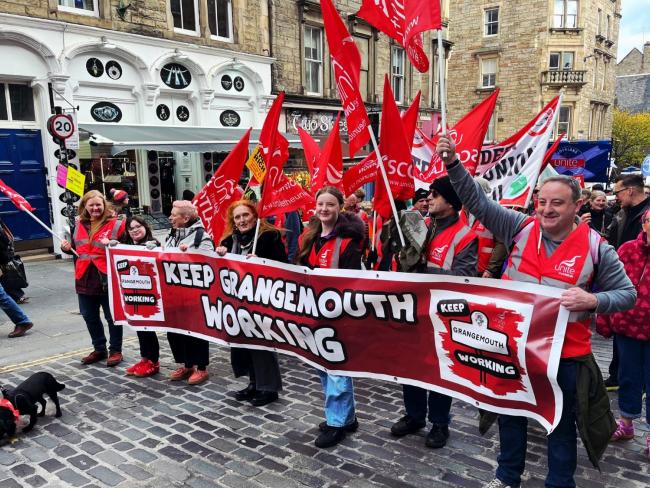
Keeping up the fight for Grangemouth on STUC Scotland Demands Better march, Edinburgh, 25 October 2025. Photo courtesy Unite Scotland.
Fuel shortages and consequent economic disruption are looking likely in Britain. The Labour government acts as if this is inevitable and urges refineries to produce more.
Workers in the industry and their unions see things differently. They want Britain to use our resources of gas and oil and to maintain refinery capacity. Industry trade union Unite launched a campaign in March – Keep the North Sea Working – and they’re not alone.
Exposed
The threat to fuel supplies is as much due to long-term decline as it is to war in the Middle East. Two out of six of Britain’s remaining oil refineries have closed over the past year. This loss of capacity leaves the national economy exposed and dependent on international markets.
Grangemouth, on the Firth of Forth, stopped production on 29 April 2025 despite workers there fighting to keep it open. Lindsey in Lincolnshire followed on 2 August. The circumstances were different, but the result is the same – more imports of refined fuel.
‘The union sees the closure as a strategic choice by the company.’
Grangemouth was run by Petroineos, a joint venture between British-based multinational INEOS and Chinese state-owned PetroChina. It claimed the plant was loss-making. Unite disagrees, seeing the closure as a strategic choice not to repair key equipment. Grangemouth workers continue to campaign under the banner Keep Grangemouth Working.
Lindsey was owned by Prax Group, which collapsed suddenly last year. Prax bought the plant from Frech group Total in 2021. It turns out that Prax was over-expanded and was laden with debt, but still managed to pay dividends to its owners.
In the 1970s Britain had eighteen oil refineries. By 2024, the remaining refineries produced 48 million tonnes of fuel, 55 per cent below the 1973 peak. The total UK demand for refined petroleum products in 2024 was 61 million tonnes.
Vulnerable
Now there are only four refineries, all owned by overseas multinationals and vulnerable to decisions made elsewhere.
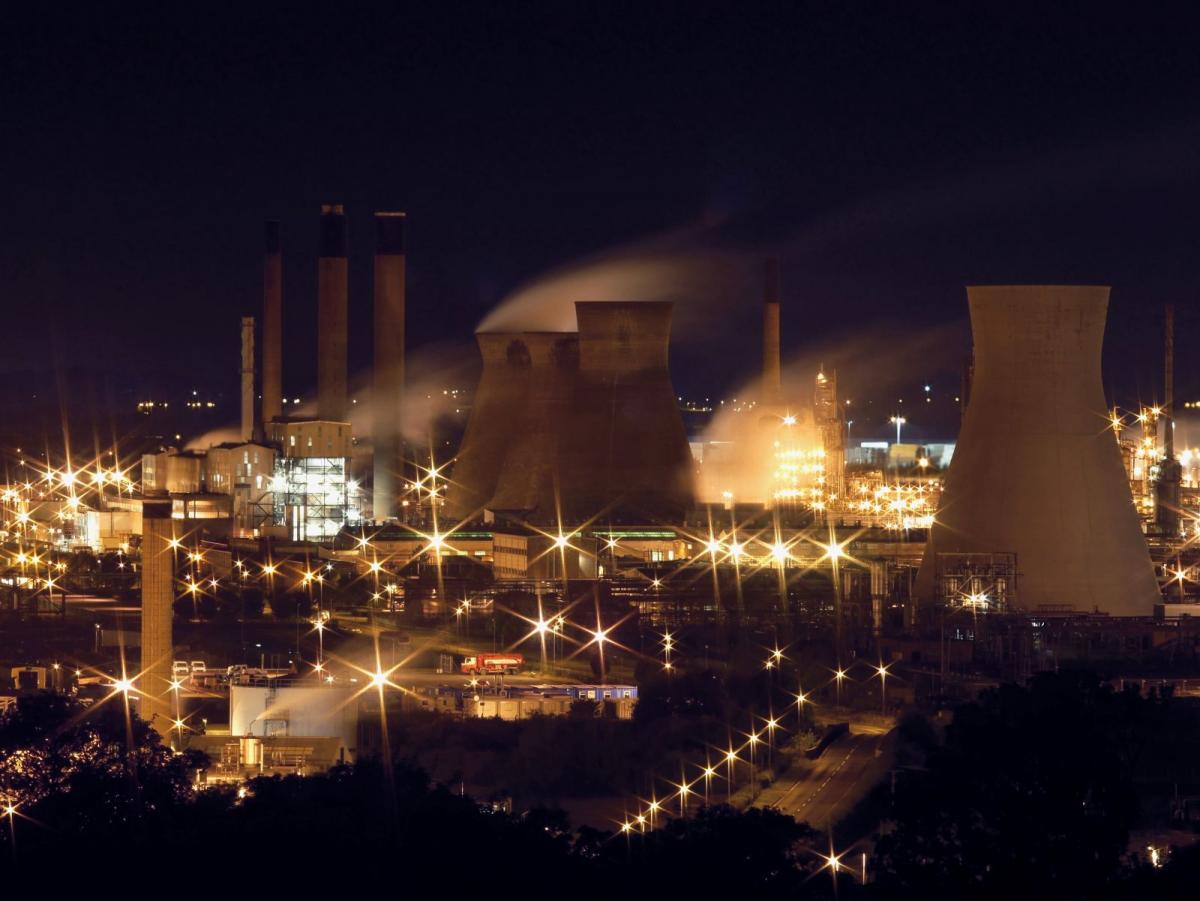
Three are in the hands of US-based groups: Fawley (ExxonMobil), Humber (Phillips 66) and Pembroke (Valero Energy). Stanlow in Cheshire was the last British refinery owned by Shell; it was sold to Indian multinational Essar Group in 2011.
Panicked
A panicked government has called on refineries to boost production as fuel prices soar.
And according to a report in The Times on 5 May, a Goldman Sachs research note warns that the UK is particularly exposed to fuel shortages due to low stocks, high reliance on imports and poor refining capacity.
Airlines are trying to reassure passengers with soothing statements. In reality, they face shortages of aviation fuel as they prepare to cancel many scheduled flights.
And naturally the airlines have lobbied government for help. Penalties for cancelled flights have been eased. They are also demanding exemption from some of the requirement to refund passengers for short notice cancellations due to fuel shortages.
‘British jobs for British workers’
In 2009 oil workers at Lindsey struck after the employer brought in Italian and Portuguese workers for the construction of a hydro-desulphurisation project rather than offer the work to local people, in breach of a national agreement.
The workers raised the slogan “British jobs for British workers”. They were supported by oil industry workers around the country, including those at Grangemouth.
Once more, workers are raising the question of energy security, through campaigns such as those for Grangemouth and keeping North Sea oil and gas flowing.